Emergency tree and hedge removal gardeners Hainault urgent jobs: fast, safe help when your garden cannot wait
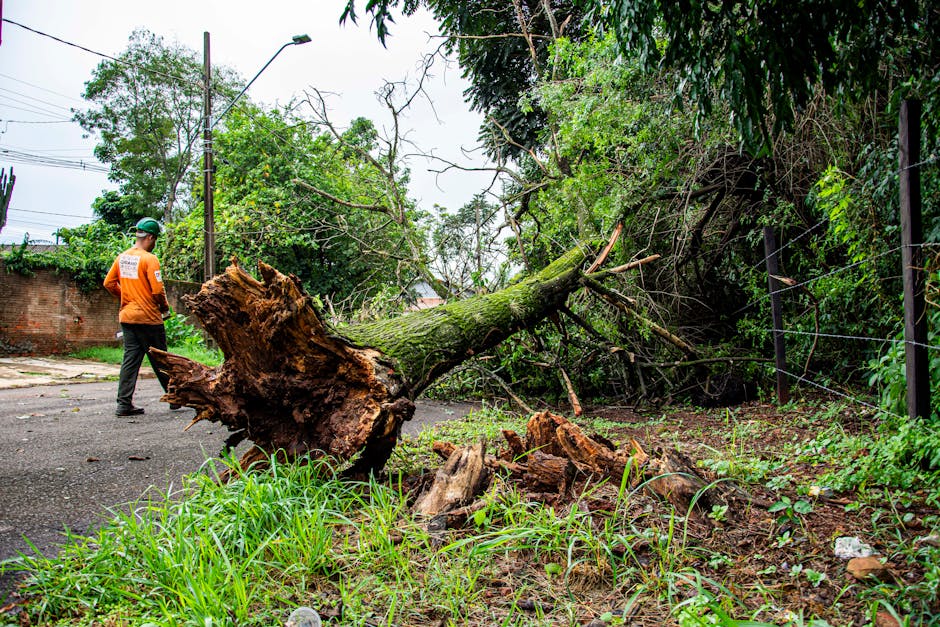
When a tree has split in high wind, a hedge has collapsed across a path, or a growing wall of greenery is suddenly blocking access, you do not have time for a leisurely tidy-up. You need practical help, quickly. That is exactly where Emergency tree and hedge removal gardeners Hainault urgent jobs come in: a rapid-response gardening and tree work service for situations that feel messy, unsafe, or simply too big to leave until next week.
In our experience, these calls are rarely about perfection. They are about restoring safety, opening up access, and stopping a small problem from becoming a much bigger one. Maybe the rain has loosened roots. Maybe a hedge has grown into a driveway after months of being ignored. Maybe a branch is leaning the wrong way and making everyone a bit nervous. Whatever the trigger, urgent removal needs calm judgement, the right tools, and a plan that fits the site.
This guide explains how emergency tree and hedge removal usually works in Hainault, what to expect from a responsive gardener or tree specialist, the risks to watch for, and how to decide whether you need same-day action or a planned follow-up. You will also find a checklist, a comparison table, and a practical example to help you make the next move with less stress. Because let's face it, when a tree is half-down, nobody is browsing casually.
Why Emergency tree and hedge removal gardeners Hainault urgent jobs Matters
Urgent tree and hedge removal matters because garden problems do not stay neatly in the garden. A fallen hedge can block bins, gates, shared paths, or access to a driveway. A damaged tree can put fences, sheds, decking, and nearby planting at risk. In the worst cases, a heavy limb can crack with very little warning. That's the bit people often miss: even if a tree or hedge looks stable from the road, the hidden damage can be underneath, not obvious at all.
For Hainault homeowners and landlords, speed matters for another reason too. Narrow side access, boundary hedges, and close-knit residential layouts mean a fallen stem or overgrown screen can create awkward knock-on problems fast. Neighbours may need access. Children or pets may need a safe route through the garden. And if a hedge is leaning into a path or road-facing edge, the hazard becomes public-facing, which raises the stakes.
Urgent jobs are also about stopping secondary damage. A wet, wind-tossed hedge can trap water against walls. A broken tree can shred lawn edges or compact planting beds. A delayed response often turns a tidy removal into a larger clean-up involving repair work, waste disposal, and sometimes follow-on services like fencing repairs or small-scale landscaping.
Expert summary: The best emergency response is not just about cutting things down quickly. It is about making the site safe, assessing what can be retained, and removing only what genuinely needs to go. Fast is good. Reckless is not.
How Emergency tree and hedge removal gardeners Hainault urgent jobs Works
Most urgent removal jobs follow a fairly simple sequence, even when the situation looks chaotic. The first step is a quick assessment of risk. Is the tree upright but unstable? Is the hedge blocking access but otherwise harmless? Is anything touching a structure, a cable, or a boundary line? Those are the practical questions that shape the response.
Once the risk level is understood, the gardener or tree specialist will usually decide whether the work can be handled immediately or whether it needs staged removal. A hedge may be cut back section by section so the site stays usable. A damaged tree may need to be made safe first, then fully dismantled once the area is clear. That staged approach is often calmer and safer than rushing in with a saw and hoping for the best. Truth be told, that's how the sensible jobs get done.
Depending on the size and condition of the plant, the work may involve hand tools, hedge trimmers, pole tools, or specialist tree surgery equipment. The team may also organise green waste removal, stump-related advice, and temporary tidy-up if the area must be left safe but not fully finished the same day. If the job is tied to wider garden issues, you may also be pointed toward ongoing garden maintenance so the same problem does not return six weeks later.
What matters most is communication. A good urgent-job response should explain what is being removed, what will stay, what the risks are, and what you can reasonably expect by the end of the visit. If that conversation feels vague, ask again. A clear answer now is worth ten minutes of extra patience.
Key Benefits and Practical Advantages
Urgent removal jobs are not just about speed. They bring a few very real, practical benefits that make life easier almost immediately.
- Safer access: Paths, gates, driveways, and side returns can be reopened without delay.
- Reduced risk of further damage: Removing unstable growth quickly can help protect buildings, fences, and surfaces.
- Less neighbour friction: Boundary hedges and shared access points can be cleared before they become a bigger dispute.
- Better weather resilience: A storm-battered tree or hedge is easier to deal with before another windy spell arrives.
- Cleaner site management: Professional removal usually includes a neater finish and safer waste handling.
There is also a quieter benefit that people often mention after the job is done: relief. You can hear the space again. The garden feels less tense. The light comes back in. That sounds a bit poetic, maybe, but if you have ever watched a dark hedge swallow half your patio, you will know exactly what I mean.
For homes where gardens are used daily, the practical upside is immediate. Children can play without a snagging hazard. Pets have clearer movement. Garden doors open properly. And if you are already planning improvements, removal can become the first step toward a cleaner layout, especially if you are also looking at regular hedge trimming in Hainault or a broader gardening service package.
Who This Is For and When It Makes Sense
This type of service is for anyone who needs a fast, sensible response to a garden hazard. That could be a homeowner, landlord, letting agent, business premises manager, or even a resident with a shared boundary problem that needs prompt attention. The common thread is urgency.
It makes sense when the plant is causing, or is about to cause, one of these problems:
- blocking access to the front or back garden
- leaning heavily after wind or saturated soil
- breaking apart and shedding limbs or thick branches
- pressing into walls, fences, gates, or roofing
- creating a visibility issue near a driveway or entrance
- interfering with neighbours, shared paths, or public-facing edges
- making it difficult to carry out other garden work safely
Sometimes the need is obvious. Other times, it creeps up. A hedge that was fine in spring can suddenly become a wall by late summer. A tree that seemed okay after a storm may slowly start shifting. If you are unsure, look for movement, cracking, unusual leaning, or soil heave around the base. Those signs deserve attention. No drama, just common sense.
It is also worth mentioning that urgent removal is not always a full removal. Some jobs are about cutting back, lifting, or making safe rather than taking everything out. A skilled gardener or tree worker will know the difference and should not push for more work than the situation calls for.
Step-by-Step Guidance
If you need an emergency response, the best results usually come from staying organised, even if the situation feels rushed. Here is a simple way to handle it.
- Stop and assess immediate danger. Keep people, pets, and vehicles away from unstable branches, hanging growth, or damaged stems.
- Take a few quick photos. These can help explain the issue clearly when you request help. Keep them simple; you do not need a film set.
- Describe the problem plainly. Mention whether access is blocked, whether the tree or hedge is touching anything, and whether the issue followed wind, heavy rain, or decay.
- Ask what can be made safe today. In urgent situations, the first priority is safety and access, not perfection.
- Check what will be removed and what will stay. This matters especially near boundaries, shared gardens, and mature planting you may want to preserve.
- Confirm waste handling. Ask whether arisings will be cleared, chipped, loaded, or left stacked. No one likes a tidy cut and a messy pile left behind.
- Arrange follow-up if needed. If stump grinding, replanting, or hedge replacement is required, plan that separately once the immediate danger is gone.
If the job is linked to a wider redesign or recovery project, you may also benefit from reading about a garden makeover adventure. It is often easier to think clearly once the emergency has passed and the site is safe again.
A small but useful tip: clear one path before the team arrives, if it is safe to do so. Access makes a real difference. Even ten minutes spent moving bins, toys, or loose pots can save a surprising amount of time.
Expert Tips for Better Results
Emergency work tends to go smoother when the person arranging it knows a few practical things. Nothing fancy. Just the kind of details that prevent avoidable delays.
1. Mention the worst part first. If a tree is leaning, say that immediately. If a hedge is blocking a side gate, lead with that. The first sentence should tell the whole story.
2. Be clear about what must be preserved. Perhaps the hedge forms privacy screening and only one section is damaged. Maybe a tree sits near a border but does not need total removal. The more precise you are, the easier it is to avoid over-clearing.
3. Ask whether the site can be made safe before full removal. On some jobs, the right move is a temporary reduction or controlled dismantling. That is especially true after storm damage. Quick does not always mean all-in.
4. Think about the aftermath. Will the space need reseeding, a new screen, or a new boundary feature? If so, a follow-up plan saves a lot of backtracking. Services like lawn care can be useful if the ground gets churned during removal.
5. Do not ignore the rest of the garden. If a hedge has died from the inside out or a tree has collapsed into poor soil, there may be a wider issue such as drainage, crowding, or wind exposure. The removal is only part of the picture.
And one more, from real experience: when the weather is ugly, everything takes longer. Wet paving, slippery grass, and awkward visibility all slow the work down a bit. That is not a bad thing. It means the job is being handled with the right caution.
Common Mistakes to Avoid
Urgency can make people rush, and that is understandable. But a few common mistakes tend to make emergency tree and hedge jobs harder than they need to be.
- Cutting without checking stability: A leaning stem can shift as soon as one section is removed.
- Trying to DIY serious removals: Hedge work can look simple until hidden weight, debris, or awkward access turns it into a headache.
- Assuming all green waste can be left on site: It often cannot, or should not, especially after larger jobs.
- Forgetting boundaries: If growth sits close to a neighbour's side, confirm where the work begins and ends.
- Choosing the cheapest response without asking what is included: A low quote can become expensive if waste, access, or follow-up work are excluded.
- Ignoring roots and stumps: A removed top is not always the end of the issue.
Another subtle mistake is expecting instant cosmetic perfection on a true emergency job. Sometimes the first visit is about safety and clearance; the nicer finish comes later. That is normal, and honestly, it is the professional way to do it.
Tools, Resources and Recommendations
Different urgent jobs call for different kit. You do not need to know every tool in detail, but it helps to understand the broad categories so you can ask better questions.
| Tool or method | Typical use | Best for |
|---|---|---|
| Hand pruning tools | Smaller cuts and tidy reduction work | Light hedge corrections, shaping, trimming |
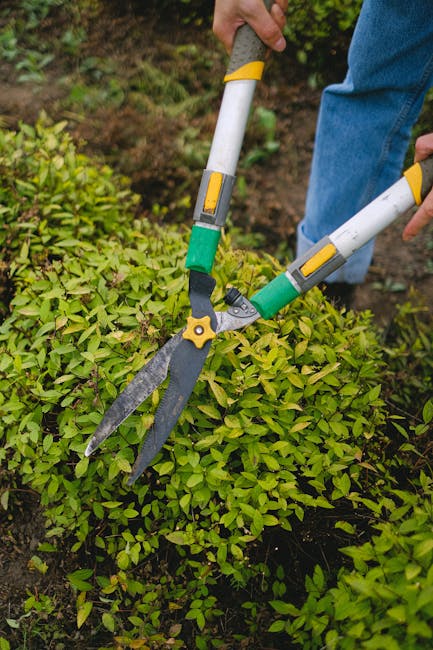
| Hedge trimmers | Fast cutting through dense hedge growth | Overgrown hedges, access clearance, reshaping |
| Pole tools | Reaching higher growth from ground level | Taller hedges and safer reduction work |
| Tree surgery equipment | Controlled dismantling and section removal | Damaged or unstable trees |
| Chipping and loading equipment | Handling and removing waste efficiently | Large hedge cuts, branch-heavy jobs |
From a customer point of view, the most useful "resource" is a clear description of the problem, plus a couple of photos if it is safe to take them. A good notes app on your phone is enough. Jot down what happened, when you noticed it, and whether the issue changed after wind or rain.
If you are unsure where to start, browsing tree surgery services can help you understand the difference between simple removal, reduction, and more technical work. For overgrowth around boundaries, the article on quick-growing hedges for personal space is also handy if you are thinking beyond the emergency and into replacement planting.
Law, Compliance, Standards and Best Practice
For emergency tree and hedge work in the UK, the big principle is simple: work should be carried out safely, with care for people, property, and neighbouring land. If a tree is dangerous or seriously damaged, it is sensible to get professional help rather than guess your way through it.
Where trees or hedges sit on boundaries, there may be ownership questions. That is where calm communication matters. If the growth is shared or visible from another property, make sure everyone understands what is happening before work begins. It is much better to settle those questions early than after the first cut.
Health and safety best practice should also be obvious in the way the job is handled. Clear access, suitable protective equipment, controlled cutting, and proper waste handling all matter. If you want to understand the approach in more detail, the site's health and safety policy and insurance and safety information are useful places to look.
For consumers, the practical rule is this: ask what is included, ask how safety is managed, and ask what happens if the site needs further clearance afterwards. That is not being awkward. It is being sensible.
If the job leads into a longer relationship with the same team, you may also want to look at terms and conditions, payment and security, and the complaints procedure. Those pages help set expectations before the work starts, which is always a good thing when time is tight.
Options, Methods, or Comparison Table
Not every urgent garden problem needs the same level of intervention. Here is a straightforward comparison to help you decide what sort of response fits the job.
| Approach | Best used when | Pros | Limitations |
|---|---|---|---|
| Emergency removal | There is immediate danger or blocked access | Fast, safety-focused, clears the hazard quickly | May not be the prettiest finish on the day |
| Urgent reduction or cut-back | The plant is risky but still partly salvageable | Protects what can be kept, less wasteful | May require follow-up work later |
| Planned removal | The issue is serious but not immediate | More time for planning, access, and finishing touches | Not suitable for active hazards |
| Ongoing maintenance | The main issue is overgrowth rather than collapse | Prevents repeat problems and keeps boundaries tidy | Won't solve an active emergency on its own |
If your hedge is the main issue, not the tree, then a dedicated service like hedge trimming in Hainault can sometimes be the more appropriate long-term answer. For ongoing property presentation, a mix of garden maintenance and seasonal check-ups usually beats waiting for a crisis.
And if the emergency follows severe weather, take a look at how to protect a garden from severe weather so you can reduce the chance of a repeat. Nobody wants to do the same scramble twice.
Case Study or Real-World Example
A typical Hainault scenario goes like this. After a windy evening, a tall hedge along a side return starts bowing into the walkway. It is not fully down, but one section is split and rubbing against the fence. The homeowner notices it in the morning, when the bins need moving and the side gate barely opens. Nothing dramatic, but enough to make the day awkward.
The urgent response is not to rip the whole hedge out immediately. First, the unsafe section is cut back and stabilised so access is restored. The team checks whether the remaining hedge can hold its shape or whether more of it is hollow and likely to fail. Once the site is safe, the homeowner can decide whether to keep the hedge, reduce it further, or replace the damaged section entirely.
That kind of outcome is common: a calm, staged solution rather than a dramatic all-or-nothing job. It saves time, keeps the garden usable, and often prevents collateral damage to the fence or neighbouring side path. Simple, really. But only if someone gets there quickly enough.
In one recent-style example, the removal of a collapsed hedge also revealed that the soil line had risen and trapped moisture against the base. That meant a follow-up clean-up and a bit of rethinking about drainage and planting density. The urgent job fixed the immediate issue; the second step made sure it would not keep returning.
Practical Checklist
Use this checklist before, during, or just after arranging urgent tree or hedge removal.
- Keep people and pets away from the damaged area.
- Check whether access is blocked or partially blocked.
- Note whether the problem started after wind, rain, or visible decay.
- Take a few clear photos if it is safe.
- Identify anything that must be protected, such as fences, sheds, or nearby planting.
- Ask whether the job is full removal, reduction, or making safe only.
- Confirm waste removal and tidy-up expectations.
- Clarify whether stump or root issues remain after the visible material is removed.
- Ask about any follow-up work needed for replanting or repair.
- Save the contact details for future seasonal maintenance.
If you are also improving the rest of the garden, it can help to think in layers. Clear the hazard first. Then consider the structure, then the planting. That order tends to keep the whole process far less stressful.
Get a free quote today and see how much you can save.
Conclusion
Emergency tree and hedge removal is one of those services you hope you never need, until suddenly you do. Then it becomes very important, very quickly. Whether the issue is storm damage, a collapsing boundary hedge, or a tree that has become unsafe in wet weather, the right response is prompt, careful, and practical. Not theatrical. Just solid work that gets the garden safe again.
The best urgent jobs in Hainault are handled with a clear head: assess the danger, make the site safe, remove only what needs to go, and plan the follow-up properly. That approach protects property, reduces stress, and gives you room to breathe again. And honestly, once the path is clear and the light comes back in, the whole place feels different.
If you are facing a garden hazard right now, do not wait for it to sort itself out. It usually doesn't. A quick response today can save a bigger headache tomorrow, and sometimes that is the most valuable part of the service.
Frequently Asked Questions
What counts as an emergency tree or hedge removal job?
It usually means the tree or hedge is creating an immediate safety issue, blocking access, or at risk of collapsing further. If there is a leaning stem, broken major branch, or hedge blocking a gate or path, it often qualifies as urgent.
Do I need a tree surgeon or can a gardener handle it?
It depends on the problem. Smaller hedge removals or basic overgrowth can often be handled by experienced gardeners. Damaged trees, unstable trunks, or larger sectional removals may need tree surgery expertise. If you are unsure, describe the issue clearly and ask which approach is safest.
How quickly can urgent removal be carried out?
That depends on the severity of the issue, access, and workload. True hazards are typically prioritised first. In a real emergency, the most important question is not cosmetic finish but how quickly the site can be made safe.
Will the whole tree or hedge always be removed?
No. Sometimes only part of the growth needs to come out. A damaged section may be cut back, reduced, or stabilised if the rest can be safely retained. Good judgement matters here.
What should I do before the team arrives?
Keep people and pets away, clear a safe access route if you can, and take a few photos of the problem. It also helps to identify anything nearby that needs protecting, such as fences, ornaments, or paving.
Can urgent work be done in bad weather?
Sometimes, yes, but only if conditions are safe enough. Heavy rain, high winds, or poor visibility may change the plan. The right call is usually to make the site safe first and finish the rest once conditions improve.
What happens to the waste after removal?
That should be agreed in advance. Some jobs include full clearance, while others may leave material stacked temporarily. It is worth confirming whether chipping, loading, or disposal is included, so there are no surprises later.
Is stump removal included in emergency hedge or tree clearance?
Not always. Emergency work often focuses on the visible hazard first. Stump grinding or root management may be a separate follow-up task, especially if access is tight or the ground is unstable.
What if the tree or hedge is on a boundary with a neighbour?
Boundary work should be handled carefully and communicated clearly. If the growth is shared or close to a neighbour's property, it is wise to be clear about what is being removed and why. Calm conversation now saves trouble later.
How do I know if a hedge needs removing rather than trimming?
If the hedge is hollow, storm-damaged, diseased, or so overgrown that trimming will not restore shape or safety, removal may be the better option. A proper assessment should explain whether pruning, reduction, or full removal makes most sense.
Can urgent removal be followed by replanting?
Yes, and often it should be. Once the hazard is gone, you can replace privacy, improve structure, or open up the space with something better suited to the site. If that is part of your plan, a follow-up discussion is a very good idea.
How do I choose a reliable urgent gardener in Hainault?
Look for clear communication, sensible safety practices, honest explanations of what will and will not be done, and a proper understanding of waste clearance and follow-up work. A reliable provider should sound calm, not frantic, even when the job itself is urgent.
What if I also need other garden work after the removal?
That is common. Once the urgent hazard is dealt with, many people use the opportunity to improve the rest of the garden too. Services like lawn mowing, patio cleaning, and landscaping can help bring the whole space back into shape.
Where can I ask for help or start a job request?
The simplest next step is to make contact and explain the issue clearly. A short description plus a few details about access, damage, and urgency will usually get the process moving in the right direction.
If you want to explore the wider company background as well, about us can help, and the team's contact page is the place to begin when time matters.